


Carbon accounting software adoption in the United Kingdom is driven by a combination of mandatory energy and carbon reporting requirements, investor expectations for climate-related disclosure, and growing pressure from customers and financiers for credible Scope 3 data.
The regulatory backdrop has steadily tightened. Since 2019, SECR (Streamlined Energy and Carbon Reporting) has required certain UK companies to report energy use and carbon emissions within their annual reports, and under UK listing rules the FCA has required premium listed commercial companies, along with certain standard listed issuers, to make TCFD-aligned climate disclosures.
That picture is now shifting toward ISSB-aligned standards: in February 2026 the government published the UK Sustainability Reporting Standards (UK SRS S1 and S2) for voluntary use, and the FCA is consulting on mandatory UK SRS reporting for listed companies from 1 January 2027, with final rules expected in autumn 2026. The government is also expected to consult on extending requirements to large private companies through the Companies Act, so the direction of travel reaches well beyond today's listed issuers.
For procurement leaders, the practical implication is that Scope 3 decarbonisation is an operating model challenge, not just a reporting one: you need to mobilise suppliers, improve data quality over time, and convert hotspot data into negotiated actions, all while maintaining evidence that can support assurance and stakeholder scrutiny.
The best platforms help you build an auditable baseline, engage suppliers at scale, and turn hotspot data into category strategies and reduction actions.
That makes tool selection less about feature checklists and more about fit. It helps to be clear on what each tool actually is, because the market mixes very different categories: some solutions are carbon accounting engines, while others are supplier engagement networks such as EcoVadis, or ERP and data backbones such as SAP and Microsoft that need complementary supplier workflows layered on top.
It's worth pressure-testing how each option supports your specific SECR obligations, assurance and audit trails, and any TCFD or ISSB-aligned governance your stakeholders expect. And it pays to watch for category errors, screening out tools that are really ESG narrative reporting or financial accounting unless they bring genuine carbon accounting methodology, emission factor governance, and evidence workflows.
Our top ten carbon accounting software platforms, in alphabetical order, are:
Read more below and choose the best solution for your unique use case and goals.
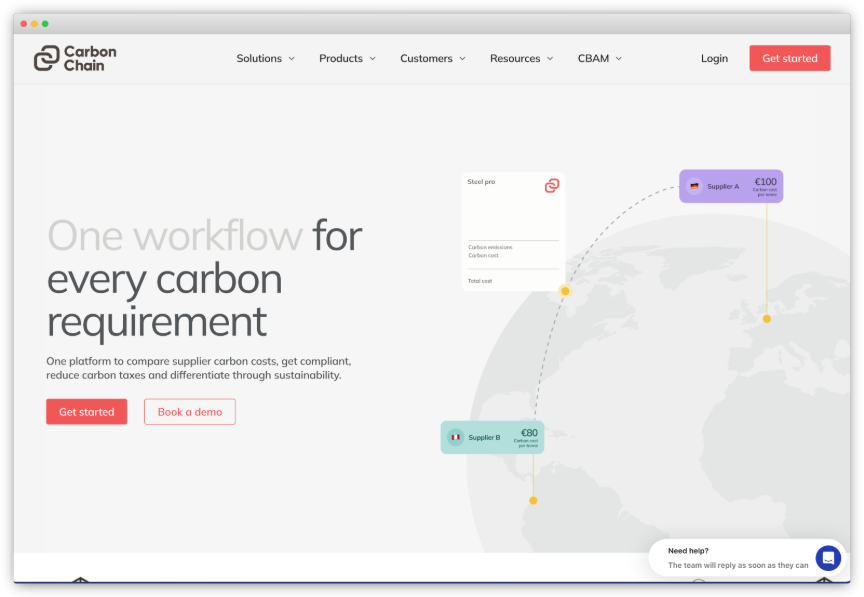
CarbonChain is a London-based climate tech platform focused on supply chain and product-level emissions, particularly for commodities and heavy industry value chains (e.g., metals, mining, energy, chemicals).
For UK procurement teams, CarbonChain is most relevant when customer demands or regulation require product carbon footprints (PCFs) or credible embedded emissions intensity data for traded materials, rather than only corporate-level inventories.
Core Features
Pros
Cons
Best For: UK organisations in commodity-heavy or industrial value chains that need credible product-level footprints and embedded emissions data.
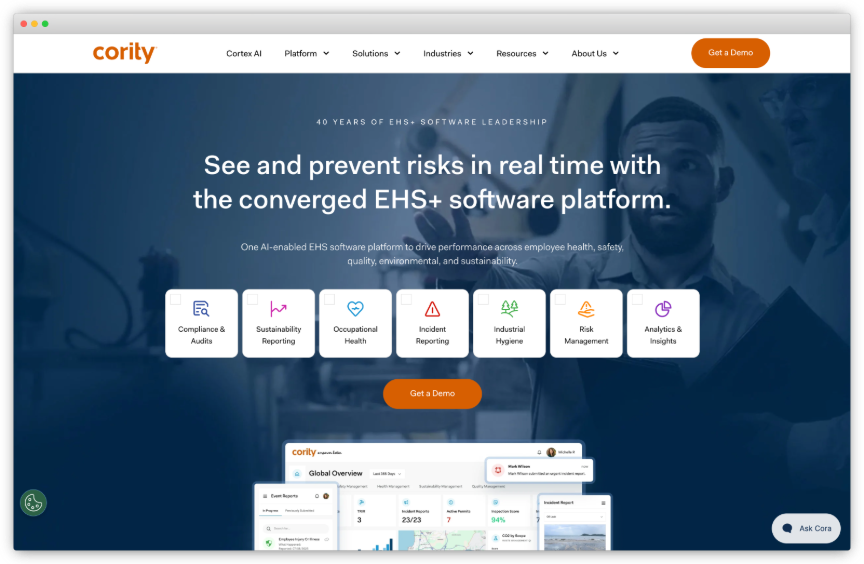
Greenstone began as a UK carbon accounting software business and has evolved into a broader sustainability and ESG reporting platform; it is now part of Cority’s EHS/ESG software portfolio.
For UK procurement and sustainability teams, Greenstone/Cority can be relevant where you need a mature reporting platform with carbon accounting capability, governance, and the ability to manage broader ESG data alongside emissions.
Core Features
Pros
Cons
Best For: UK organisations that need a governance-heavy sustainability reporting platform with carbon accounting capability and broader ESG coverage.
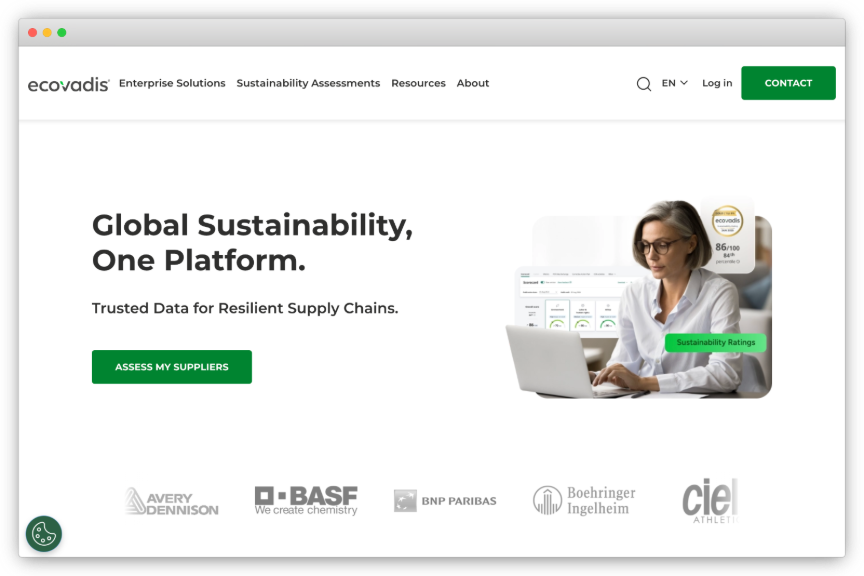
EcoVadis is widely used by UK procurement teams as a supplier sustainability assessment and engagement network. In carbon terms, it is most relevant to mobilise suppliers, collect carbon maturity evidence, and track improvement actions, often alongside a separate corporate carbon accounting engine.
It is particularly useful where procurement needs a scalable supplier programme with structured workflows and repeatable engagement cycles.
Core Features
Pros
Cons
Best For: UK procurement teams running supplier engagement programmes at scale.

Green Project Technologies focuses on procurement-led supply chain decarbonisation: capturing supplier emissions data and turning it into supplier actions, negotiated outcomes, and category-owned abatement pipelines.
In the UK, it is relevant where organisations want to operationalise Scope 3 reductions and run supplier mobilisation as a managed programme, not a one-off reporting exercise.
Core Features
Pros
Cons
Best For: Organisations seeking a procurement-owned Scope 3 programme with supplier mobilisation and action governance.
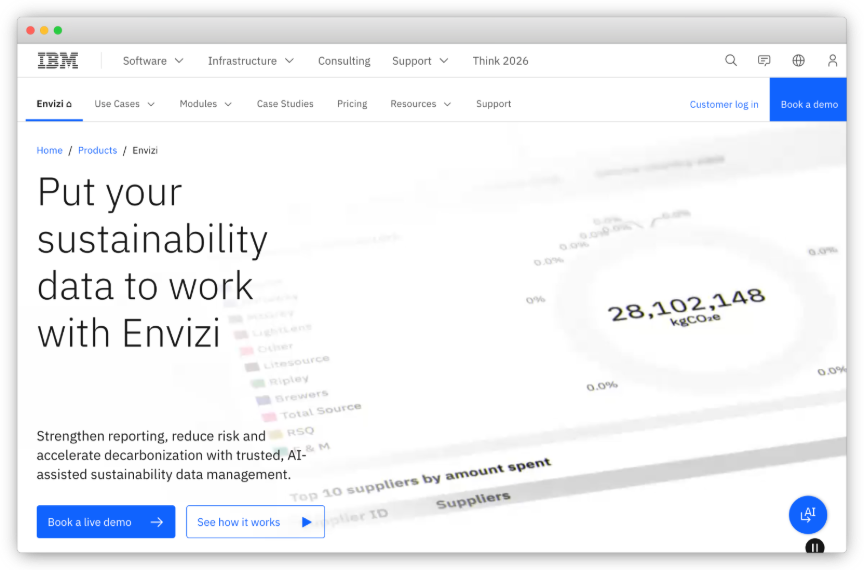
IBM Envizi is an enterprise sustainability data management and reporting platform used by many large organisations to centralise emissions and ESG datasets and produce audit-ready reporting outputs.
For procurement and Scope 3 teams, it is often used as a data backbone complemented by supplier engagement tooling and a clear supplier operating model.
Core Features
Pros
Cons
Best For: Large UK enterprises that need a robust sustainability data backbone and audit-ready reporting.
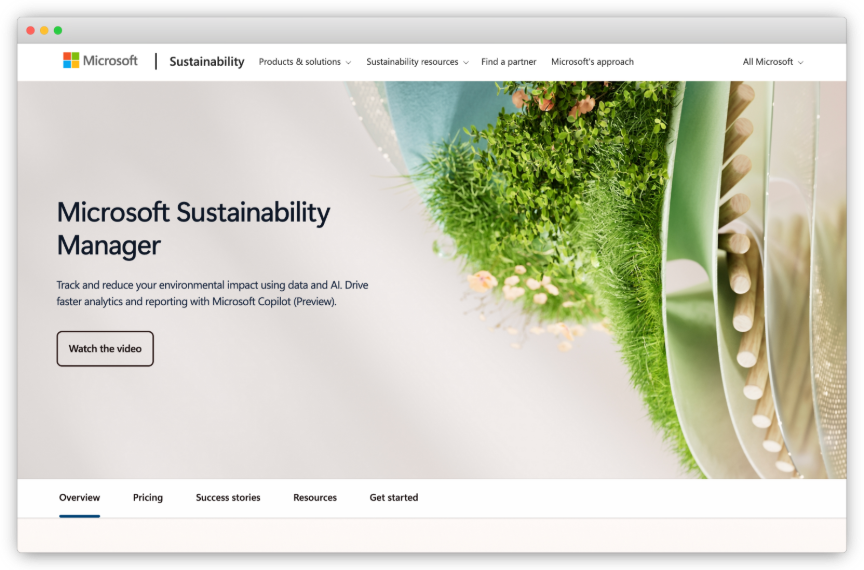
Microsoft Sustainability Manager is commonly used as a flexible sustainability data backbone, leveraging Microsoft’s ecosystem for data integration, workflows, and analytics.
It is most effective when paired with clear data ownership and supplier engagement tooling where supplier mobilisation is required.
Core Features
Pros
Cons
Best For: Organisations building a sustainability data layer within the Microsoft ecosystem.
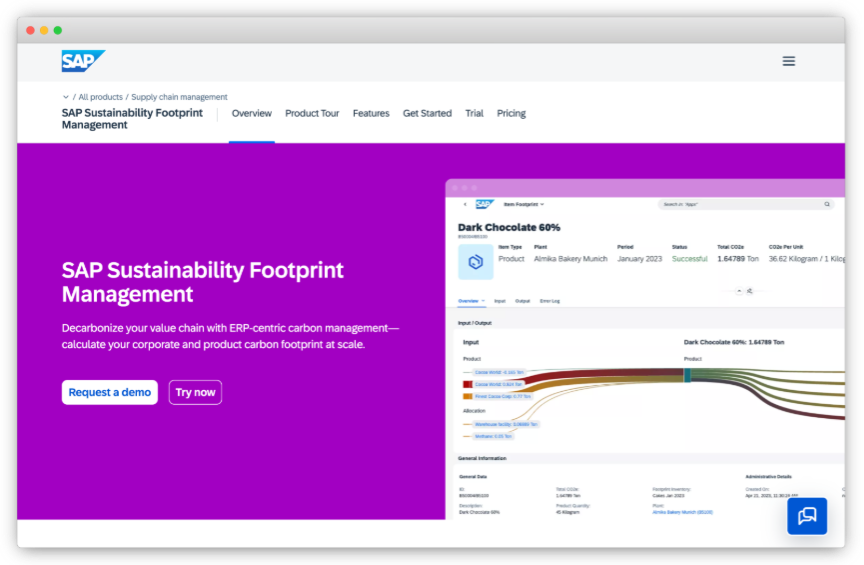
SAP Sustainability Footprint Management is typically adopted by organisations running SAP and seeking to connect emissions and footprinting to ERP, product, and process data.
It can serve as a backbone for product and corporate footprints—especially where procurement needs footprint transparency embedded into supply chain and finance processes.
Core Features
Pros
Cons
Best For: SAP-centric organisations that need ERP-integrated footprinting and strong linkage to product/process data.
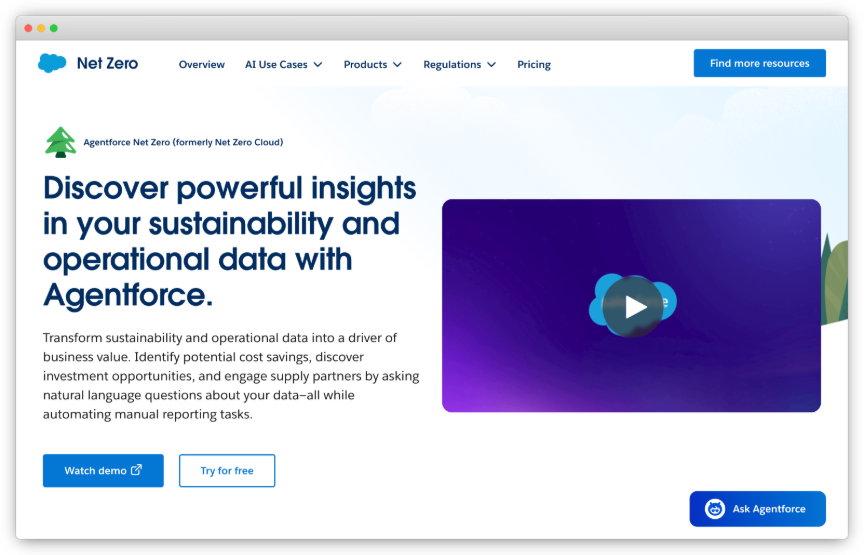
Salesforce Net Zero Cloud (also marketed as Agentforce Net Zero) is a carbon accounting capability built on the Salesforce platform, designed to track Scope 1–3 emissions and connect sustainability data into broader business workflows.
For procurement, it can be helpful where supplier relationship management and account workflows already live in Salesforce—allowing sustainability data to be embedded into day-to-day processes.
Core Features
Pros
Cons
Best For: Enterprises heavily invested in Salesforce that want carbon accounting embedded in business workflows.
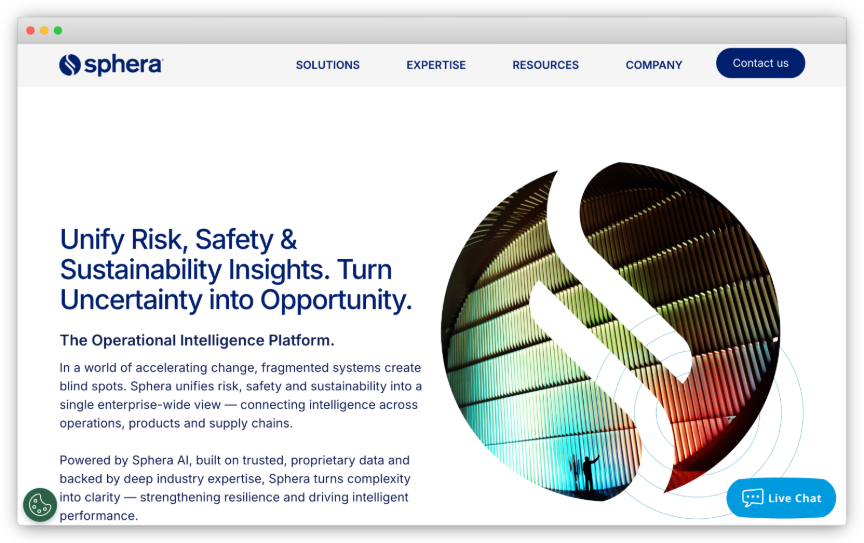
Sphera provides sustainability and risk management software with carbon accounting capability, often used by complex industrial organisations.
In the UK, it is relevant where organisations need strong governance, compliance support, and integration with broader EHS and risk workflows.
Core Features
Pros
Cons
Best For: Industrial and regulated organisations needing carbon management integrated with broader governance and risk processes.
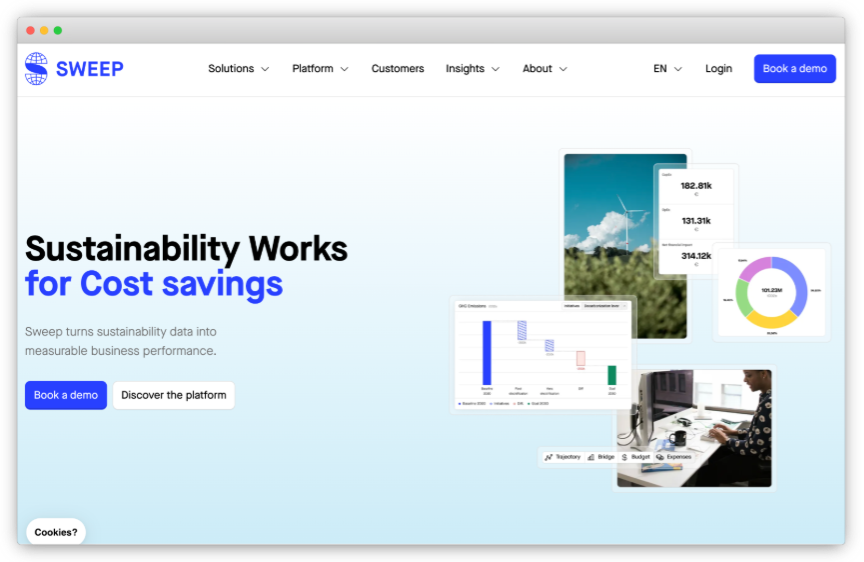
Sweep is a Europe-based sustainability and carbon management platform that emphasises value chain visibility, engagement, and audit-ready reporting.
For UK procurement teams, it is often relevant where you need strong collaboration features and a platform that can support supplier engagement and reduction tracking across the value chain.
Core Features
Pros
Cons
Best For: Organisations prioritising value chain engagement, collaboration, and action tracking alongside carbon accounting.
In the UK, carbon accounting is no longer just a reporting exercise. Tightening disclosure requirements are raising the bar for auditability, while customers and investors are pushing for credible, measurable progress on Scope 3 emissions.
The organisations making real progress are moving beyond standalone measurement tools and building integrated operating models. That means combining a reliable carbon accounting backbone with supplier engagement, procurement ownership, and clear pathways from data to action.
No single platform delivers this on its own. The right approach depends on your regulatory exposure, internal data maturity, and supplier landscape. Some teams need to establish a defensible baseline quickly, while others are ready to drive category-level reduction strategies and track outcomes across complex, multi-tier supply chains.
What is consistent across leading UK programmes is this: emissions data is only valuable when it leads to decisions. Supplier segmentation, contracting levers, and coordinated decarbonisation initiatives are what ultimately translate carbon visibility into measurable reduction.
The next phase of carbon accounting in the UK will be defined by execution. Platforms that enable procurement teams to act, not just report, will be the ones that support durable, audit-ready Scope 3 reduction at scale.
Note: The information in this article is based on publicly available sources at the time of writing. Vendor capabilities evolve quickly, so we recommend reviewing each provider’s website for the most current product information.
What is a carbon accounting platform?
A carbon accounting platform is software that helps organisations measure, manage, and report greenhouse gas emissions across Scope 1, Scope 2, and Scope 3. Most platforms align with established standards such as the GHG Protocol and ISO 14064.
Beyond calculation, many also support regulatory reporting, audit trails, supplier data collection, and scenario modelling to guide decarbonisation efforts.
What is the best carbon accounting platform?
There is no single best platform for every organisation. The right solution depends on regulatory exposure, Scope 3 complexity, supplier maturity, internal data capabilities, and whether the priority is compliance, transparency, or emissions reduction. Organisations at different maturity stages require different levels of functionality.
Which features are essential for a carbon accounting platform?
Most UK organisations should look for:
For supply chain-heavy organisations, supplier engagement tooling and hybrid activity data support are increasingly important.
How much do carbon accounting platforms cost?
Pricing varies based on company size, number of entities, data complexity, Scope 3 depth, and implementation needs. Enterprise platforms typically require more customisation and integration investment, while tools aimed at mid-market organisations emphasise faster onboarding and lower complexity.
Most vendors price on request, so it is worth scoping your requirements clearly before entering conversations.
What are the primary differences between carbon accounting platforms?
Key differences typically include:
The right choice depends on whether your primary goal is reporting compliance, or a programme that drives measurable emissions reduction over time.
